

Mesothelioma Life Expectancy
Mesothelioma mainly affects the lining of the lungs (pleura) and sometimes the abdomen's protective lining (peritoneum). It can affect the heart and testicles.
People with mesothelioma experience varying survival rates. This is due to factors like the type of mesothelioma, sex, and general health. Mesothelioma-positive women, for example, live longer than men.
Symptoms
Mesothelioma is a cancer that develops in the cells that are found in the body's organs and structures. The mesothelioma cancerous growth usually affects the linings in the chest, lungs stomach (peritoneal), or heart (pericardium). In rare cases mesothelioma can also grow in the tissue that surrounds the testicles, or at the site where radiation therapy was previously administered to the chest.
Symptoms of mesothelioma can take several decades to appear after exposure to asbestos. Since mesothelioma is a slow-growing disease and is not asymptomatic, it can be misinterpreted as a sign of other diseases. It is therefore important to consult a doctor if you have any symptoms or signs that do not go away and also to let your doctor know about any exposure to asbestos you have had in the past.
The most common mesothelioma caused by asbestos exposure is pleural (lung) mesothelioma. Asbestos fibers inhale and become embedded in this lining. As time passes, this causes inflammation and the development of scar tissue. This could lead to malignant tumors.
In the UK approximately 2500 people die each year due to mesothelioma. The cancer is difficult to identify, and it progresses rapidly once it is established.
Symptoms of pleural mesothelioma may include persistent coughing, difficulty breathing and weight loss. A chest pain or a pressure sensation in the chest could accompany them. Fluid in the lungs, or pleural effusion, is a different symptom. A doctor can order an X ray or MRI in order to diagnose the problem.
A physical examination can also be used to identify mesothelioma. However, doctors usually only think about mesothelioma as possible in the event that the patient has an history of exposure to asbestos in their workplace. A mesothelioma specialist will then perform a series of tests to confirm the diagnosis, including a biopsy.
Diagnosis
The lining of the chest cavity and the lungs (pleura) can develop malignant pleural melanomas. This kind of mesothelioma is characterised by chest pain, breathing problems and the accumulation of fluid. It takes between 20 to 50 years for the disease to develop following asbestos exposure. It is most prevalent in men who were exposed to asbestos in construction work and other industrial positions. Children and women of veterans who were exposed to asbestos are at a higher risk of developing this form of mesothelioma.
Asbest fibers can harm cells in the body, causing mesothelioma-like tumors. The disease can have painful and life-threatening symptoms, however it is difficult to recognize since the symptoms are similar to those of other diseases. Mesothelioma is not always diagnosed until it has reached an advanced stage that is when the cancer has been spread to other organs.
The doctor diagnoses mesothelioma with an examination of the body along with medical history and diagnostic tests. These tests may include chest X-rays, CT scans and MRIs to check for lumps or scar tissue as well as a biopsy of the affected region.
A biopsy is taken from a small piece of affected tissue to determine whether it is cancerous. Additional tests may include blood work or an FDG-positron emissions tomography test. A bronchoscopy could also be done to determine the extent of the cancer.
asbestos mesothelioma cancer can be diagnosed at any time, but it is most often seen in people who are over the age of 65. This is due to the fact that the majority of those who developed the disease were working in high-risk fields such as construction and shipbuilding where asbestos was frequently employed. The asbestos-containing fibers were carried back to their homes on their clothes and hair, putting their family at risk of developing mesothelioma.
It is crucial for patients to tell their physicians about any prior exposure to asbestos. This information can help the doctor determine whether mesothelioma could be the cause of the patient's symptoms and should they be able to give a diagnosis early. This will allow patients to start treatment as soon as they can.
Treatment
The news that you or a loved one suffers from mesothelioma can be extremely troubling. Knowing the prognosis can help patients and their families prepare for a long-term battle. Mesothelioma survival rates depend on where the cancer is located and the type of cell. Patients who receive a quick diagnosis are more likely to be eligible for life-extending surgeries. Patients who maintain good health throughout are more likely to live longer life spans.
Mesothelioma is a rare kind of cancer that is caused by inhaling or swallowing asbestos fibers. These fibers cause tumors by irritation of the linings of internal organs. Mesothelioma may affect the lung (pleural) or the stomach lining (peritoneal). It can also affect the heart and testicles. In the majority of cases, it takes years for mesothelioma to develop after exposure to asbestos.
The symptoms and signs of mesothelioma can be similar to other conditions that are common such as influenza or pneumonia. They can also appear and go over time. This is why it may be difficult for patients to be diagnosed. Patients should see a GP in the event that their symptoms are persistent or alarming. GPs may refer patients to specialists who will conduct additional tests.
The best way to diagnose mesothelioma is to perform a biopsy. Traditional biopsy methods include pleural fluid cytology, needle biopsy of the pleural tissues under CT guidance and open thoracotomy using video-assisted thoracoscopy. Recent studies have shown that a combination of MRI and CT scans, along with biopsy is a reliable diagnostic tool to diagnose mesothelioma.
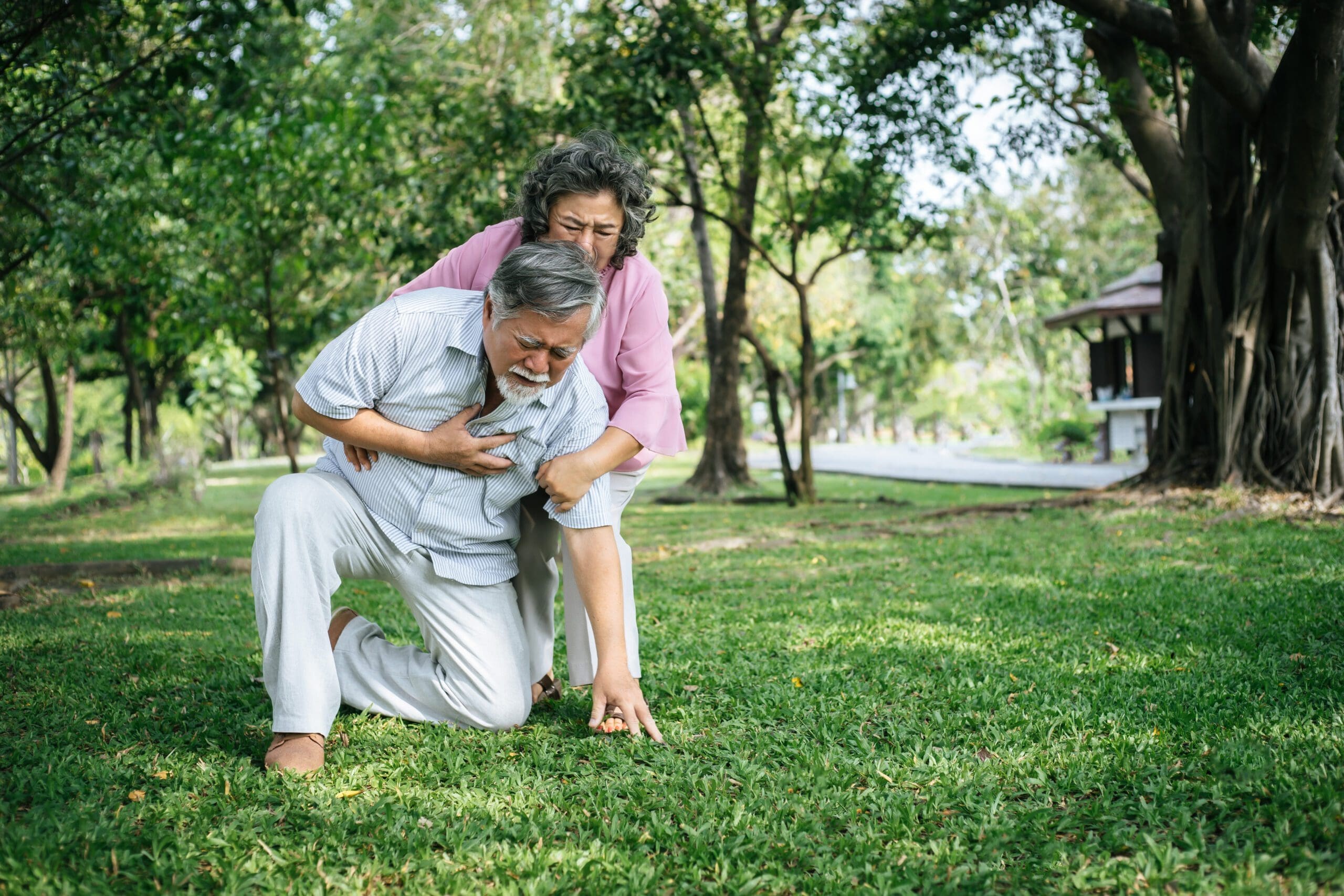
There are three mesothelioma cell types epithelioid, biphasic and sarcomatoid. Epithelioid mesothelioma accounts for about 70% of mesothelioma cases and is more responsive to treatment than sarcomatoid or biphasic mesothelioma.
Men are more at risk of developing pleural mesothelioma as a result of their exposure at work in shipyards and factories. However the reason for mesothelioma is undetermined. The outlook for mesothelioma patients is improved when the cancer is detected early and treated aggressively by using radiation, chemotherapy and surgery. The latest treatments like immunotherapy and cellular therapy are proving promising results in clinical trials. Smoking or having a weakened immunity system can still reduce the chances of mesothelioma victims survival.
Prognosis
Mesothelioma is a rare form of cancer that is found in the protective linings surrounding organs, called the mesothelium. Mesothelioma is most often found in the lung linings, but it can also develop in the abdominal linings or around the testicles and heart.
Since it can take decades between exposure to asbestos and the symptoms of mesothelioma. Many people are already at an advanced stage of the disease by the time they're diagnosed. This latency period, combined with the mesothelioma's invasive nature is what makes it difficult for doctors to determine a patient's likelihood of survival or survival rate.
The diagnosis of mesothelioma is determined by several factors, such as the type of cancerous cell and the location of the tumor in the body. In general, patients with epithelioid mesothelioma have a higher chance of survival than those with sarcomatoid or biphasic mesothelioma. It is important to remember that patients who undergo surgery like a pleurectomy or pneumonectomy have a higher chance of survival.
The kind of asbestos that a person was exposed to at their job and the amount they were exposed to is an additional factor in mesothelioma survival rates. Men are more likely to be affected by mesothelioma compared to women, and the vast majority of cases of pleural mesothelioma are among men who were exposed to asbestos in the maritime or construction industries.
Patients suffering from mesothelioma may benefit from talking to an expert at their local cancer center. These doctors are trained to diagnose and treat mesothelioma, as well as other conditions like leukemia, lung cancer and ovarian cancer. It is also essential for patients to consult their GP if they have any symptoms or signs that are alarming and to report any previous exposure to asbestos. This will allow a doctor to identify other conditions and diagnose mesothelioma as early as is possible. A doctor may also refer patients to an expert oncologist, who will create a treatment plan.